
What Is Water Submetering and How Does It Work in NYC Apartment Buildings?
Water submetering gives NYC property managers a clearer picture of how water is being used across a building. Learn how submeters work, how they can help with tenant water billing
What Is Water Submetering and How Does It Work in NYC Apartment Buildings?
If you own or manage a multifamily building in New York City, you probably know how much water costs. But do you know how much water each apartment or commercial space is actually using?
That’s where water submetering comes in.
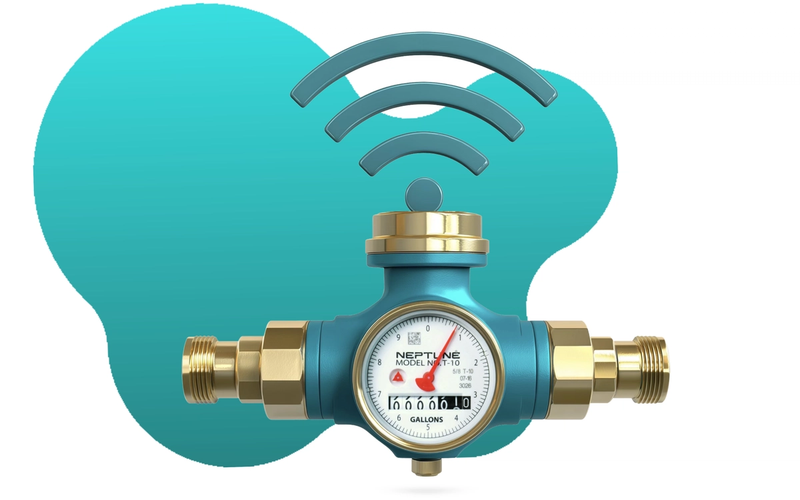
A water submeter measures the water used by an individual apartment, tenant, commercial space, or specific area of a building. Instead of relying only on the building’s main water meter, property owners can use submeters to see how much water is being consumed in different parts of the property.
Ashokan also works with commercial properties that need water submetering and tenant water billing. For commercial buildings with multiple tenants or spaces, individual submeters can help track water usage by tenant or area and provide the information needed to allocate water expenses more accurately.
For property managers and building owners, that can mean more accurate billing, better visibility into water consumption, and an easier way to identify leaks or unusually high usage.
What Is a Water Submeter?
In most properties, a main water meter records the total amount of water consumed by the entire building.
But the main meter doesn't tell you which apartment, tenant, or area of the property used that water.
A water submeter is installed after the building's main meter to measure water consumption for a specific residential unit, commercial space, tenant, or zone.
For example, a multifamily building may have one main meter measuring the building's total water consumption, while individual submeters track the water used by each apartment.
This gives property owners a much clearer picture of where water is actually being used.
How Does Water Submetering Work?
The process is relatively straightforward.
First, the building's main meter measures the total water entering the property. Individual submeters are then installed throughout the building to measure water consumption by unit, tenant, or designated area.
The submeter data can be collected manually or automatically, depending on the type of system installed.
That information can then be used to monitor consumption and, when permitted, calculate individual tenant water charges.
For property owners, the benefit is simple: instead of treating the building's entire water bill as one number, you can see how that usage is distributed throughout the property.
Can Property Owners Bill Tenants for Water Usage?
Property owners in NYC may be able to use water submeters to charge tenants for their water usage, depending on the rental agreement and applicable city requirements.
With a submetering system, the actual water consumption for each unit or space can be measured. The meters can be read manually or automatically, and a utility billing company can use those readings to generate individual bills.
This creates a more accurate way to allocate water expenses because tenants are billed based on their measured consumption rather than an estimate or a formula.
Before implementing a tenant water billing program, property owners should make sure the arrangement complies with the applicable rental agreement and city requirements.
Submetering vs. RUBS: What's the Difference?
If individual water submeters cannot be installed, another option is RUBS, or Ratio Utility Billing System.
The difference is important.
Submetering measures the actual water consumption of each apartment or space. The tenant's bill is based on that measured usage.
RUBS does not measure individual consumption. Instead, the property's main water bill is divided among tenants using a formula, which may be based on factors such as unit size or occupancy.
Water Submetering
- Measures actual water consumption
- Provides more precise usage information
- Can be used to allocate water expenses based on measured consumption
- Requires the installation and monitoring of individual meters
RUBS
- Divides the property's water bill using a formula
- Does not require individual water submeters
- Has lower upfront installation costs
- Is less precise because it does not measure actual consumption
Neither approach is automatically right for every building. The best option depends on the property's layout, existing plumbing, rental agreements, and applicable requirements.
Remote-Read vs. Manual-Read Water Meters
Another question property managers often have is whether water meters should be read manually or automatically.
With manual water meter reading, a technician physically visits the property and records the meter readings. The usage information is then calculated and invoices can be generated based on those readings.
The main advantage is the lower initial equipment cost. The downside is the ongoing labor and travel required to collect the readings.
With automatic meter reading (AMR), wireless radio units collect and transmit meter data to a utility billing company.
This means property managers don't need to rely on someone physically visiting every meter to collect readings.
Automatic meter reading can provide:
- More efficient meter reading
- Better access to usage information
- Early notification of leaks or unusually high usage
- Online management capabilities
- Lower ongoing operating costs compared with repeated manual readings
There is an initial cost associated with installing the AMR equipment, but the system can make ongoing water management much easier.
Why Is Water Submetering Important for NYC Buildings?
Water submetering is about more than just dividing a bill.
When property owners and tenants can see actual water consumption, they have better information about how water is being used.
That visibility can help identify unusually high usage, detect potential leaks earlier, and encourage water conservation.
For property owners, it can also provide a more accurate way to allocate water expenses and recover utility costs.
For tenants, it provides visibility into their own consumption and helps them understand what they are actually using.
And for property managers, having better data means fewer surprises.
Can Water Submeters Help Reduce Water Costs?
They can help property owners better understand where water is being used and identify potential problems.
Remote monitoring can also provide notifications when there is a leak or unusually high water consumption. Catching those problems earlier can help prevent unnecessary water expenses.
Submetering can also encourage conservation because tenants can see their own water usage rather than treating water as an unlimited building-wide expense.
The goal isn't simply to install another meter.
The goal is to have better information about your building's water consumption so you can manage it more effectively.
What Should NYC Property Managers Consider Before Installing Submeters?
Every building is different.
Before installing a water submetering system, property managers should consider:
- How the building's existing plumbing is configured
- Which units or areas need to be monitored
- Whether individual meters can be physically installed
- How the meters will be read and monitored
- How tenant billing will be handled
- Whether automatic meter reading makes sense for the property
- What requirements apply to the building and rental agreements
A submetering system should be designed around the building, not the other way around.
Water Submetering and Smart Water Management
Submetering is also becoming an important part of smart water management.
With automatic meter reading and remote monitoring, property managers can move from simply receiving a water bill to actively monitoring how water is being consumed.
Instead of finding out about a problem months later, real-time or automated data can help identify unusual consumption sooner.
That's especially valuable for multifamily and commercial properties where a small leak or unexplained increase in usage can become an expensive problem over time.
How Ashokan Can Help
Ashokan helps NYC property owners and managers with water metering, submetering, water management, and related services. We work with both multifamily and commercial properties, including buildings with multiple tenants that need to monitor individual water usage and manage tenant water billing.
Our team can help you understand your building's current water metering setup, determine what type of monitoring makes sense for your property, and manage the installation and ongoing monitoring process.
Whether you're looking to install water submeters, monitor tenant water usage, improve water billing, detect leaks, or better understand your building's water consumption, Ashokan can help you take the next step.
Have questions about water submetering for your NYC building? Contact Ashokan Services to discuss your property, your current water metering setup, and the options available for better monitoring and management of your building's water usage.
Better water management starts with better information. Contact Ashokan today to learn more about water submetering and smart water management for your NYC property.